What is the difference between a probe station and a wafer prober?
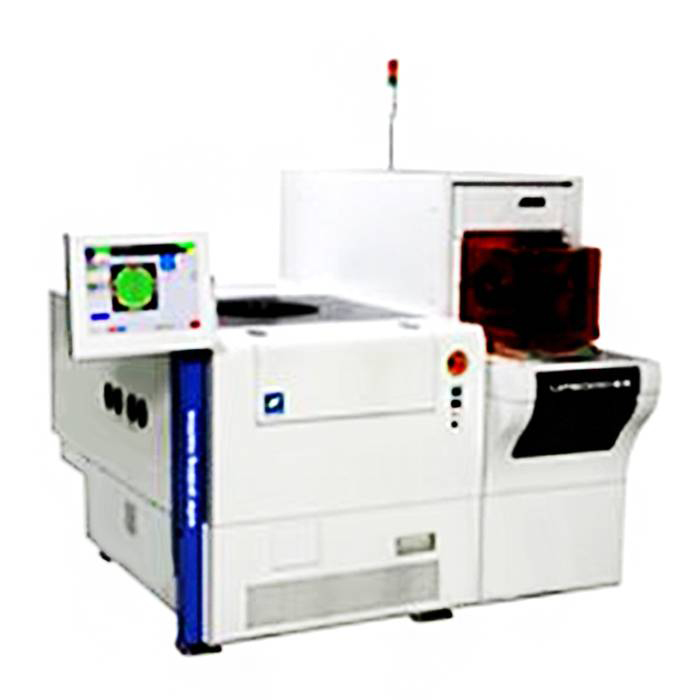
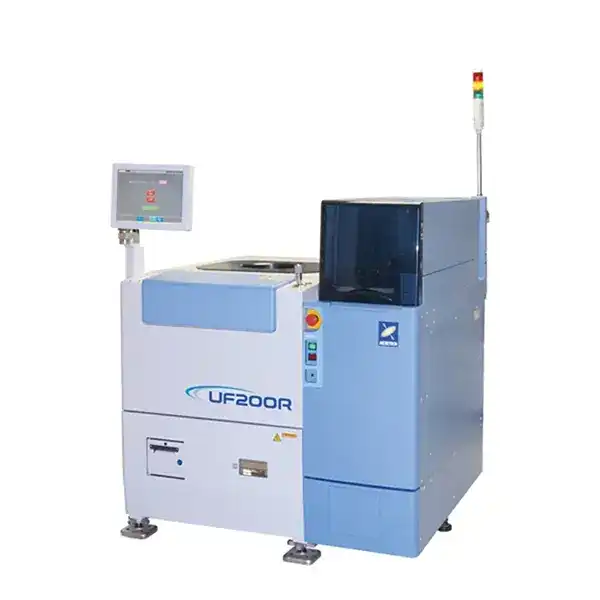
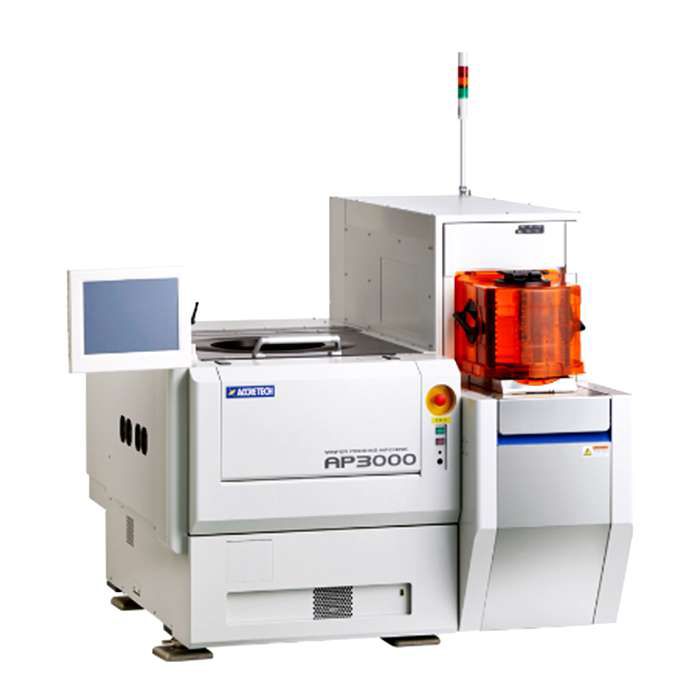
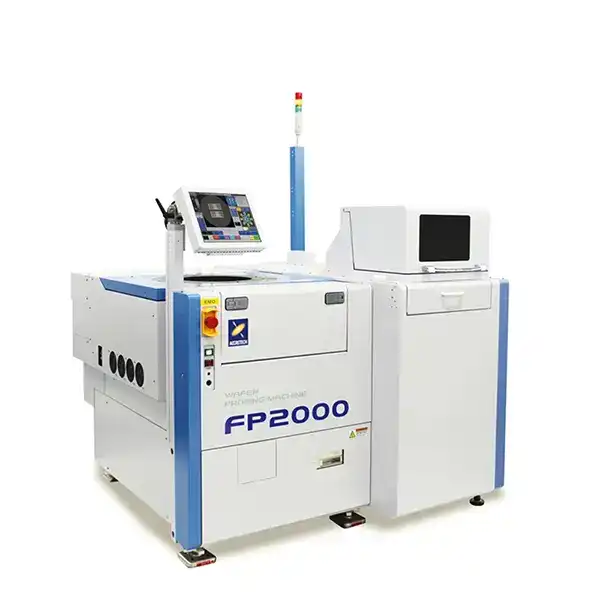
The terms overlap. “Probe station” is often used for analytical or engineering platforms, while “wafer prober” commonly describes semi-automatic or automatic systems that step across full wafers and may include loaders, wafer mapping and production interfaces. The exact model architecture matters more than the name.
Does a probe station include the tester or measurement instruments?
Not always. A probe station normally provides positioning, contact and the test environment. SMUs, parameter analyzers, VNAs, oscilloscopes or ATE resources may be separate and must be integrated through compatible probes, cables, switching and software.
How do I choose between manual and automatic probing?
Manual systems are flexible for R&D and changing experiments. Semi-automatic systems add repeatable motorized motion and mapping. Automatic wafer probers are better suited to defined production flows, cassette handling and higher test volume.
What determines probe station price?
Wafer size, automation, loader, chuck, temperature range, stage accuracy, probe interface, microscope, enclosure, software, controllers, included accessories and equipment condition all affect price. A small manual laboratory platform should not be compared directly with a production automatic prober.
Can one probe station support DC, RF and high-power testing?
Some modular platforms can be reconfigured, but the chuck, probes, cables, positioners, shielding, calibration and safety design differ. Support should be confirmed for the actual configuration rather than inferred from the base model name.
What should be checked when buying a used probe station?
Confirm the complete model and serial number, wafer size, loader, stage and alignment performance, chuck type, temperature options, probe-card interface, controllers, software and licenses, included accessories, operating condition and service history.